Why Is My Furnace Blowing Cold Air Instead of Heat in North Texas?
If your furnace is blowing cold air instead of heat, common causes include incorrect thermostat settings, a clogged air filter, ignition problems, or a malfunctioning heating component. Some furnaces also circulate cool air briefly during startup. If the air stays cold after several minutes, your heating system may need troubleshooting or professional repair.
When temperatures drop across North Texas, a reliable heating system becomes essential for keeping your home comfortable. Unfortunately, furnace problems often appear when homeowners turn on their heat after months of running the air conditioner.
At Designed Air Solutions, we understand how frustrating it can be when your heating system isn’t working as expected. Our team helps North Texas homeowners identify heating problems, restore comfort, and keep their HVAC systems operating efficiently.
Whether you’re dealing with a furnace that won’t heat, inconsistent indoor temperatures, or unusual heating system behavior, understanding the possible causes can help you determine your next steps.
Common Reasons Your Furnace Is Running but Not Heating
A furnace that runs without producing warm air doesn’t always indicate a major mechanical failure. Sometimes, the problem is something simple you can check yourself.
However, other issues involve electrical components, ignition systems, or safety controls that require professional attention.
1. Could Your Thermostat Settings Be Causing Cold Air?
Incorrect thermostat settings are one of the easiest explanations for a furnace blowing cold air.
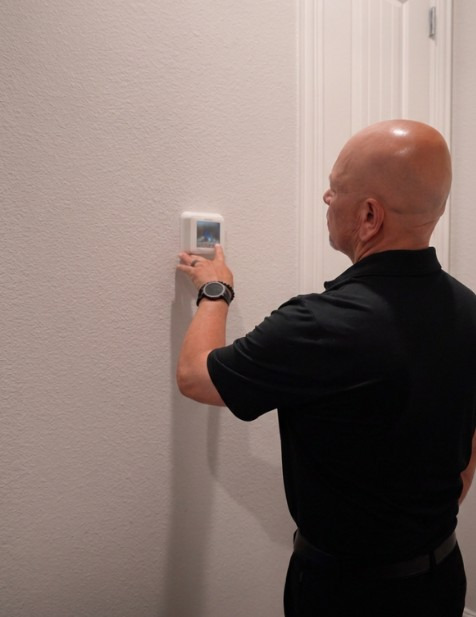
If your thermostat fan is set to “ON” instead of “AUTO,” the blower may run continuously, even when the furnace isn’t actively heating.
This means you’ll occasionally feel room-temperature air coming through your vents.
What to check:
- Make sure your thermostat is set to “HEAT.”
- Set the fan to “AUTO” instead of “ON.”
- Raise the temperature setting a few degrees above the current room temperature.
- Replace thermostat batteries if your model requires them.
After adjusting the settings, give your furnace a few minutes to begin heating.
If the system continues blowing cold air, another issue may be responsible.
2. Can a Dirty Air Filter Stop Your Furnace From Heating?
Yes. A severely clogged air filter can restrict airflow and cause some furnaces to overheat.
When this happens, a safety control may shut off the burners while the blower continues running to cool the system.
As a result, you may notice cool air coming from your vents even though the furnace appears to be operating.
According to the U.S. Department of Energy, replacing a dirty, clogged filter can lower an air conditioner’s energy consumption by 5% to 15%. Although that statistic specifically applies to air conditioning, clean filters are also important for maintaining proper airflow through forced-air heating systems.
What homeowners should do:
- Inspect the air filter for visible dirt and debris.
- Replace disposable filters when dirty.
- Check filters regularly during heavy HVAC use.
- Follow the manufacturer’s recommended filter specifications.
If your furnace repeatedly overheats or stops heating after replacing the filter, schedule a professional inspection.
3. Why Would a Furnace Ignition System Stop Working?
A malfunctioning ignition system can prevent a gas furnace from producing heat, even when its blower is running.
Modern gas furnaces typically use electronic ignition systems rather than continuously burning pilot lights.
If the igniter fails, the flame sensor becomes dirty, or another safety component detects a problem, the furnace may shut down the heating cycle.
Common warning signs include:
- The furnace attempts to start but never produces warm air.
- You hear repeated clicking during startup.
- The burners ignite briefly and then shut off.
- The system repeatedly starts and stops.
These symptoms can indicate an ignition or safety-control problem, although other faults may produce similar behavior.
Important: Gas furnace ignition components should be inspected and repaired by a qualified HVAC technician. Homeowners should not attempt to bypass safety switches or manually modify gas components.
4. Is It Normal for a Furnace to Blow Cold Air When It First Starts?
Yes. Many forced-air heating systems circulate cooler air briefly during startup or after a heating cycle ends.
When your furnace first turns on, the air inside the ductwork may still be cool from the previous heating cycle.
The blower may also continue operating briefly after the burners shut off to distribute remaining heat.
However, there is a difference between normal operation and a heating problem.
| Normal furnace behavior | Possible heating problem |
|---|---|
| Cool air briefly during startup | Cold air continues throughout the heating cycle |
| Warm air begins flowing after startup | Vents never deliver warm air |
| Furnace reaches thermostat setting | Indoor temperature continues dropping |
| Blower stops after its normal cycle | Blower runs continuously without heating |
If your furnace never produces warm air or your home cannot reach the thermostat setting, further troubleshooting is recommended.
5. When Should You Call for Professional Furnace Repair?
You should contact an HVAC professional when basic thermostat and filter checks don’t restore heating.
Some furnace problems involve components that require specialized tools, electrical testing, or gas-system expertise.
Signs that professional heating repair may be necessary include:
- Your furnace runs but never heats your home.
- The system frequently shuts off or restarts.
- You hear unusual banging, buzzing, or rattling.
- Your furnace displays an unfamiliar error code.
- The blower runs continuously despite thermostat adjustments.
- Your heating system struggles to maintain a comfortable temperature.
If you smell natural gas, leave the building immediately and contact your gas utility or emergency services from a safe location. Do not operate electrical switches or attempt to restart the furnace.
How North Texas Weather Can Affect Furnace Performance
North Texas experiences significant temperature swings during fall and winter. A comfortable afternoon can quickly turn into a freezing night when a strong cold front moves through the Dallas-Fort Worth area.
Because heating systems may sit unused for extended periods, problems can go unnoticed until the first significant temperature drop.
Dust accumulation, worn components, and neglected maintenance can contribute to unexpected heating failures.
The U.S. Department of Energy recommends regular heating system maintenance to support efficient operation and help identify developing problems.
Scheduling seasonal HVAC maintenance before colder weather arrives gives technicians an opportunity to inspect important heating components, evaluate system operation, and identify potential concerns.
For North Texas homeowners, proactive maintenance can reduce the likelihood of discovering a heating problem during an especially cold night.
Frequently Asked Questions About Furnaces Blowing Cold Air
Why is my furnace blowing cold air even though the thermostat is set to heat?
Your thermostat fan may be set to “ON,” or your furnace may have a dirty filter, ignition failure, or safety-control issue. Check the thermostat and filter first. If the system still doesn’t heat, contact an HVAC technician.
Should I turn off my furnace if it’s blowing cold air?
If your furnace continues blowing cold air after basic troubleshooting, turn off the heating system and arrange an inspection. If you suspect a gas leak, evacuate immediately and contact emergency services or your gas utility.
Can a furnace blowing cold air fix itself?
Brief cool airflow during startup may resolve as the furnace begins heating. However, persistent cold air caused by ignition problems, overheating, or faulty components generally requires troubleshooting or repair.
How often should a furnace be serviced in North Texas?
Most homeowners should schedule professional furnace maintenance once a year, ideally before the heating season. Annual service helps identify developing problems and supports reliable heating performance.
Get Your Heat Back With Designed Air Solutions
A furnace blowing cold air doesn’t have to leave your North Texas home uncomfortable.
Whether the problem involves restricted airflow, thermostat settings, or a malfunctioning heating component, identifying the cause early can help prevent additional frustration when temperatures fall.
Need reliable furnace repair in North Texas? Contact Designed Air Solutions today to schedule professional heating service and get your home comfortable again!