What Should North Texas Homeowners Check Before Turning On Their Heater for the First Time?
Before turning on your heater for the first time in North Texas, check your air filter, thermostat settings, supply and return vents, carbon monoxide detectors, and the area surrounding your heating equipment. Test your system before the first major cold front and schedule professional heating maintenance to identify potential safety or performance issues before winter arrives.
After months of relying on air conditioning to stay comfortable, North Texas homeowners can easily overlook their heating systems until temperatures suddenly drop. From Plano and McKinney to Frisco, Allen, and surrounding DFW communities, preparing your heater before colder weather arrives can help prevent inconvenient surprises.
At Designed Air Solutions, we understand how important dependable heating is when unpredictable Texas weather brings chilly mornings and freezing temperatures. As a family-driven HVAC company with more than 55 years of combined industry expertise, we provide professional heating maintenance, diagnostics, and repairs focused on reliable performance and long-term comfort. Our approach emphasizes honest recommendations, clear communication, and helping homeowners make informed decisions about their heating systems.
Taking a few simple precautions now can make your transition into heating season easier and more comfortable.
Your North Texas Fall Heating System Checklist
Preparing your heating system for winter does not have to be complicated. Several important checks can be completed by homeowners, while others should be handled by an experienced HVAC technician.
Here are five essential steps to take before switching your thermostat from cooling to heating.
1. Should You Replace Your HVAC Air Filter Before Turning On the Heat?
Yes, checking your air filter before heating season is one of the easiest ways to support proper airflow and heating efficiency.
During North Texas summers, air conditioning systems work hard to maintain comfortable indoor temperatures. Over time, dust, pet hair, and other airborne particles can accumulate in the filter.
A dirty filter restricts airflow, forcing your HVAC equipment to work harder to circulate warm air throughout your home.
Before starting your heater:
- Locate your HVAC system’s air filter.
- Check for visible dust and debris.
- Replace disposable filters when dirty or according to manufacturer recommendations.
- Confirm the replacement filter is the correct size and installed in the proper direction.
According to ENERGY STAR, homeowners should inspect HVAC filters monthly and replace them when dirty. The organization also notes that heating and cooling account for nearly half of the energy used in a typical home.
Maintaining clean filters is a simple way to help protect your HVAC investment while supporting comfortable indoor temperatures.
2. How Do You Test Your Thermostat Before the First Cold Front?
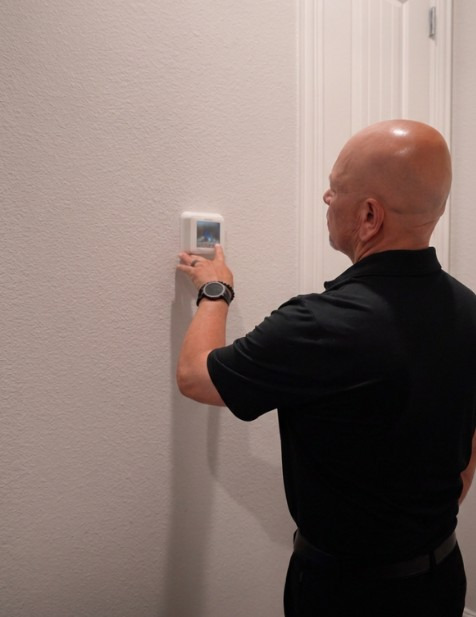
Switch your thermostat to heating mode and raise the temperature setting a few degrees above the current indoor temperature to verify that your heating system starts and operates properly.
Testing your heater during mild fall weather gives you time to identify potential problems before temperatures drop significantly.
Follow these steps:
- Change your thermostat setting from “Cool” to “Heat.”
- Set the desired temperature slightly above the current room temperature.
- Allow the system several minutes to begin operating.
- Check whether warm air is coming from your vents.
- Listen for unusual sounds and confirm the system operates normally.
Keep in mind that heat pumps may produce air that feels less hot than air from a traditional gas furnace. This can be normal.
If your heating system does not start, repeatedly shuts off, or fails to warm your home, professional troubleshooting may be necessary.
Avoid repeatedly resetting the system or attempting electrical repairs yourself.
3. What Should You Inspect Around Your Heating Equipment and Air Vents?
Make sure your heating equipment has adequate clearance and that supply and return air vents are not blocked by furniture, rugs, curtains, or household items.
Proper airflow helps your heating system distribute warm air throughout your home.
Before winter, walk through your house and inspect accessible HVAC components.
Look for:
- Furniture covering supply or return vents
- Dust accumulation around accessible registers
- Storage boxes placed too close to indoor heating equipment
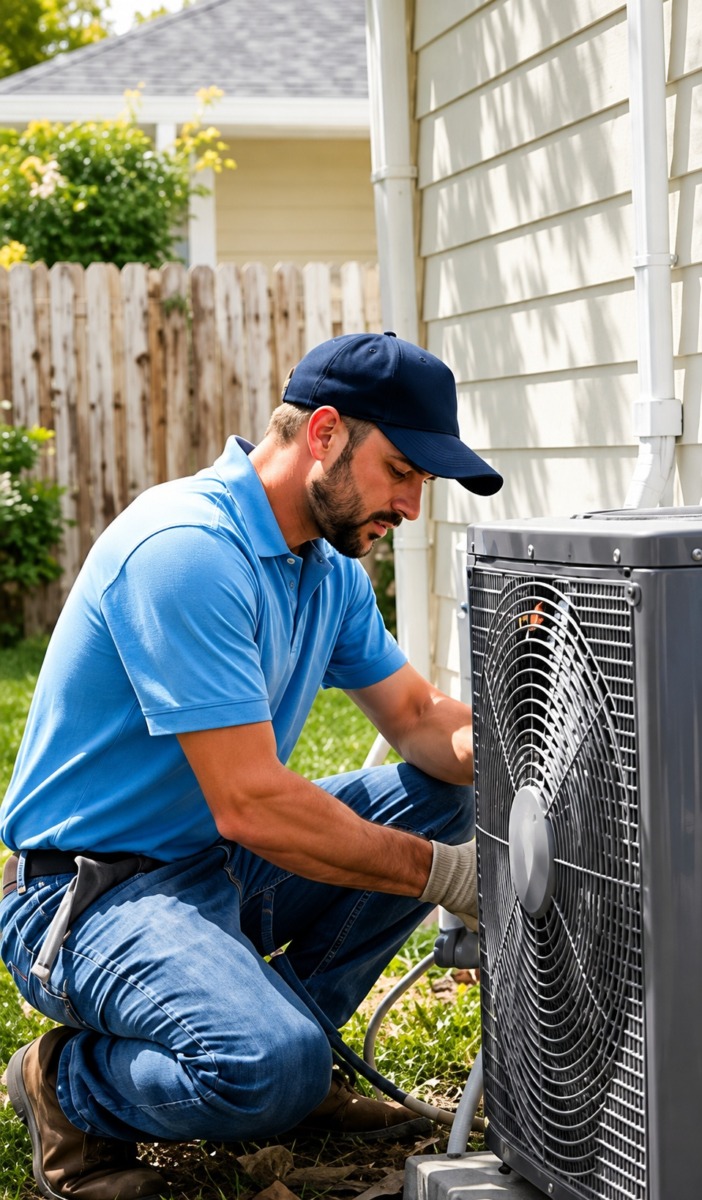
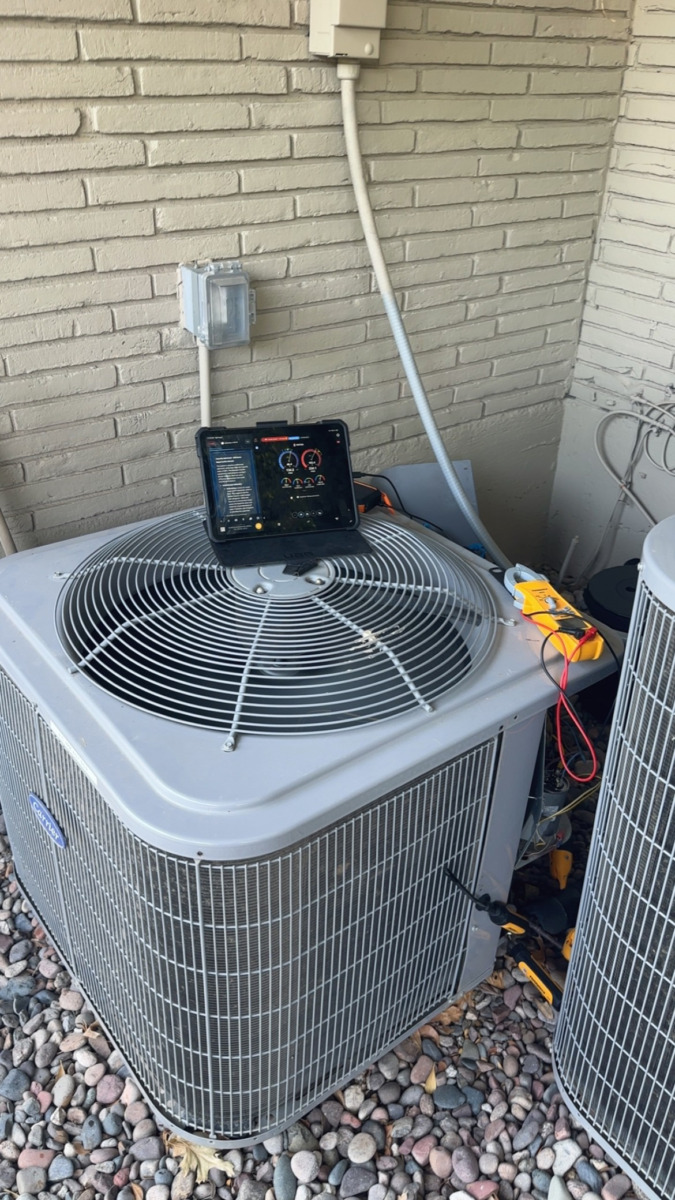
- Leaves or debris surrounding outdoor heat pump units
- Visible damage or loose components around accessible equipment
For homeowners with outdoor heat pumps, keeping the surrounding area free of leaves and vegetation is especially important during the fall.
Never remove protective panels or attempt to inspect internal electrical or gas components yourself.
If you notice damaged equipment or anything unusual, contact a qualified HVAC technician.
4. Why Should You Check Carbon Monoxide Detectors Before Heating Season?
Working carbon monoxide detectors are an essential safety precaution for homes with fuel-burning heating equipment, including natural gas furnaces.
Carbon monoxide is an odorless, colorless gas that can be produced when fuel-burning appliances malfunction or do not vent properly.
Before turning on your gas furnace, confirm that your carbon monoxide detectors are functioning correctly and located according to applicable safety guidance.
Homeowners should:
- Test detectors according to manufacturer instructions.
- Replace expired detectors.
- Check batteries when applicable.
- Keep furnace combustion air openings and exhaust pathways unobstructed.
If a carbon monoxide alarm sounds, move everyone outside to fresh air immediately and contact emergency services. Do not reenter until responders confirm it is safe.
A professional furnace inspection can also help identify combustion, venting, or heat exchanger concerns that homeowners cannot safely evaluate themselves.
5. When Should You Schedule Professional Heating Maintenance in North Texas?
Early fall is an ideal time to schedule heating maintenance in North Texas, preferably before the first extended period of cold weather.
Unlike regions that experience consistently cold winters, the Dallas-Fort Worth area often experiences substantial temperature changes during fall and winter.
Your heater may sit unused for months before suddenly being needed during a cold front.
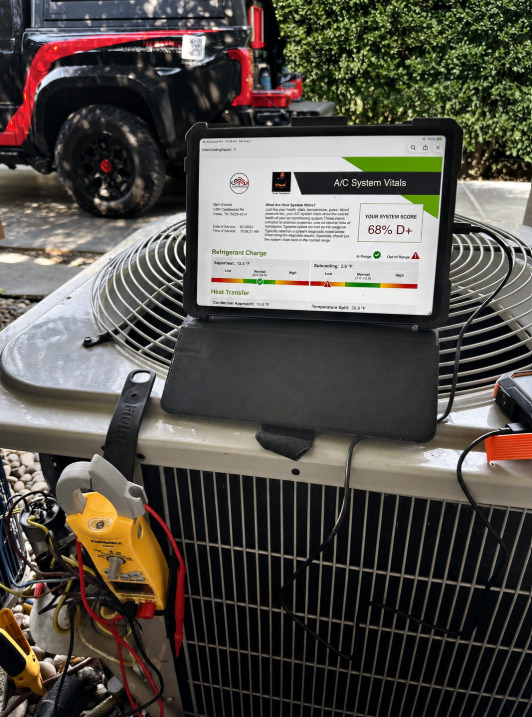
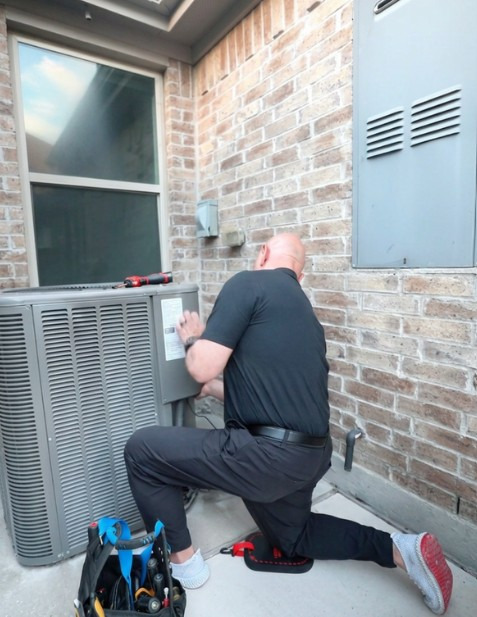
A professional heating tune-up helps determine whether the system is prepared for increased demand.
Depending on your equipment, a maintenance appointment may include:
- Inspecting heating components and safety controls
- Checking electrical connections
- Evaluating thermostat operation
- Examining airflow and system performance
- Inspecting gas connections and combustion components when applicable
- Identifying developing mechanical concerns
ENERGY STAR recommends annual preseason heating inspections, ideally during fall, to help maintain equipment performance and identify potential problems.
Designed Air Solutions provides professional heating maintenance throughout North DFW, helping homeowners understand their equipment’s condition and address concerns before colder weather arrives.
Why Preparing Your Heater Early Matters in North Texas
A little preparation can make a meaningful difference when the first cold front reaches DFW.
Homeowners who inspect their heating systems before winter may benefit from:
- Fewer unexpected interruptions: Early inspections can identify developing problems before heavier heating demand.
- Improved comfort: Proper airflow and functioning equipment help distribute heat more consistently.
- Better energy efficiency: Clean filters and maintained components can reduce unnecessary system strain.
- Greater peace of mind: Testing your heater early helps you know whether professional service is needed.
Preventive maintenance cannot eliminate every possible breakdown, but it can help reduce avoidable problems and support dependable heating performance.
Frequently Asked Questions About Turning On Your Heater
Is it normal for a heater to smell when you first turn it on?
A brief dusty smell can occur when accumulated dust heats up after months of inactivity. However, persistent burning odors, smoke, or electrical smells are not normal. Turn the system off and contact an HVAC professional if these occur.
What temperature should I set my thermostat to in winter?
Many homeowners start around 68°F while awake and adjust based on comfort and household needs. ENERGY STAR recommends energy-conscious thermostat settings, although optimal settings vary by heating system and occupancy.
Can I turn on my furnace without having it serviced first?
You can perform basic homeowner checks and test your furnace, but annual professional maintenance is recommended. A technician can evaluate safety and performance components that are not accessible during a basic homeowner inspection.
What should I do if my heater does not turn on?
First, verify that your thermostat is set to heating mode and check the air filter and accessible power settings. If the system still does not operate, contact an HVAC professional rather than attempting internal electrical or gas repairs.
Get Your North Texas Heater Ready Before the Cold Arrives!
Don’t wait until the first freezing night to discover that your heating system needs attention.
At Designed Air Solutions, we’re committed to helping North Texas homeowners stay comfortable with dependable heating maintenance, accurate diagnostics, and straightforward recommendations.
Whether you need a seasonal heating tune-up or have concerns about your furnace or heat pump, our experienced team is ready to help you prepare for colder weather.
Ready to make sure your heater is prepared for winter? Contact Designed Air Solutions today to schedule your heating system inspection!