
Heating Design

Reliable Heating Design Services for Year-Round Comfort

A dependable heating system starts with thoughtful design, proper equipment sizing, and balanced airflow. Designed Air Solutions provides professional heating design services in DFW, creating customized solutions based on your home’s layout, heating requirements, ductwork, ventilation needs, and efficiency goals. From load calculations and equipment selection to mechanical plans and specifications, we help create heating systems designed for reliable comfort and long-term performance.

Why Proper Heating Design Matters
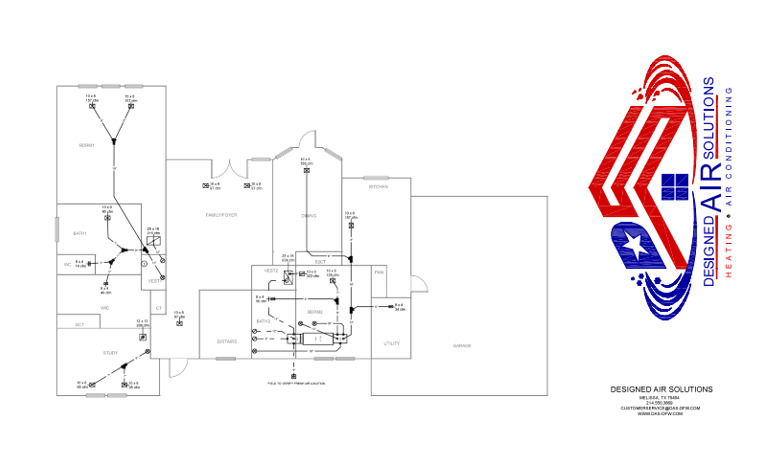
  • Consistent Comfort Throughout Your Home: A properly designed heating system helps distribute warm air evenly throughout your home. Thoughtful equipment and airflow planning can reduce hot and cold spots while providing more consistent temperatures from room to room.
  • Proper Heating System Sizing: Heating equipment that is too large or too small can lead to comfort problems, unnecessary energy use, and additional wear on the system. Professional load calculations help determine how much heating your home actually needs so the equipment can be sized appropriately.
  • Balanced Airflow: Ductwork, supply registers, return-air pathways, and equipment all work together to move heated air throughout your home. Proper heating design helps create balanced airflow so conditioned air reaches each space effectively.
  • Improved Energy Efficiency: A heating system designed around your home’s actual requirements can operate more efficiently than one that has to compensate for poor sizing or airflow. Thoughtful system design can help reduce unnecessary energy consumption while maintaining comfortable indoor temperatures.
  • Reliable Long-Term Performance: Proper design can help reduce unnecessary strain on heating equipment. By addressing system sizing, airflow, ductwork, and ventilation before installation, you create a stronger foundation for dependable performance and long-term comfort.
Heating Design

Heating Design Tailored to Your Home

Every home has different heating requirements. Square footage, layout, insulation, windows, ductwork, and other building characteristics can all influence how much heat a property needs and how that heat should be distributed.

Designed Air Solutions evaluates the factors that affect your home’s comfort and develops a heating design suited to your property. Whether you’re planning HVAC for new construction, remodeling your home, replacing existing equipment, or addressing uneven temperatures and airflow concerns, professional design can help you make informed decisions before installation begins.

By considering equipment, ductwork, ventilation, airflow, and heating requirements together, we can help create a system designed specifically for your home instead of relying on a one-size-fits-all approach.

FAQS ABOUT Heating design services

Heating design can include load calculations, equipment selection, ductwork layout and sizing, ventilation planning, energy-efficiency recommendations, and mechanical plans and specifications. The exact design requirements depend on the property and project.

Heating load calculations help determine how much heat a home needs to maintain comfortable indoor temperatures during cold weather. These calculations allow heating equipment to be selected based on the home’s actual requirements rather than relying on estimates based only on square footage.

A heating system that is too large or too small may struggle to provide efficient, consistent comfort. Proper sizing can help reduce excessive cycling, unnecessary energy consumption, uneven temperatures, and avoidable wear on the equipment.

Ductwork determines how heated air travels throughout your home. Proper duct sizing, layout, and placement of supply and return-air pathways can help maintain balanced airflow and provide more consistent temperatures between rooms.

Yes. Cold or unevenly heated rooms can sometimes be related to ductwork, airflow, equipment sizing, insulation, or air distribution. Professional heating design considers these factors when developing a system intended to provide more consistent comfort.